My approach
A broad view of the problem
When someone comes to see me with pain, I do not look only at the part that hurts. I am interested in the pattern of the problem, how it started, what makes it better or worse, and what may be keeping it going.
Sometimes the contributing factor is obvious, such as an injury or a recent change in activity. At other times it may involve prolonged sitting or driving, increased work demands, reduced activity, poor sleep, stress, or simply doing more than the body is currently used to.
The aim is to identify the factors that are most relevant to that individual and decide which of them are sensible to change. Two people with pain in the same place may therefore need quite different management plans.
Assessment and a management plan
The first step is to form a clear working diagnosis. That comes from the history — how the problem began, how it has changed, and what makes it better or worse — together with the physical examination.
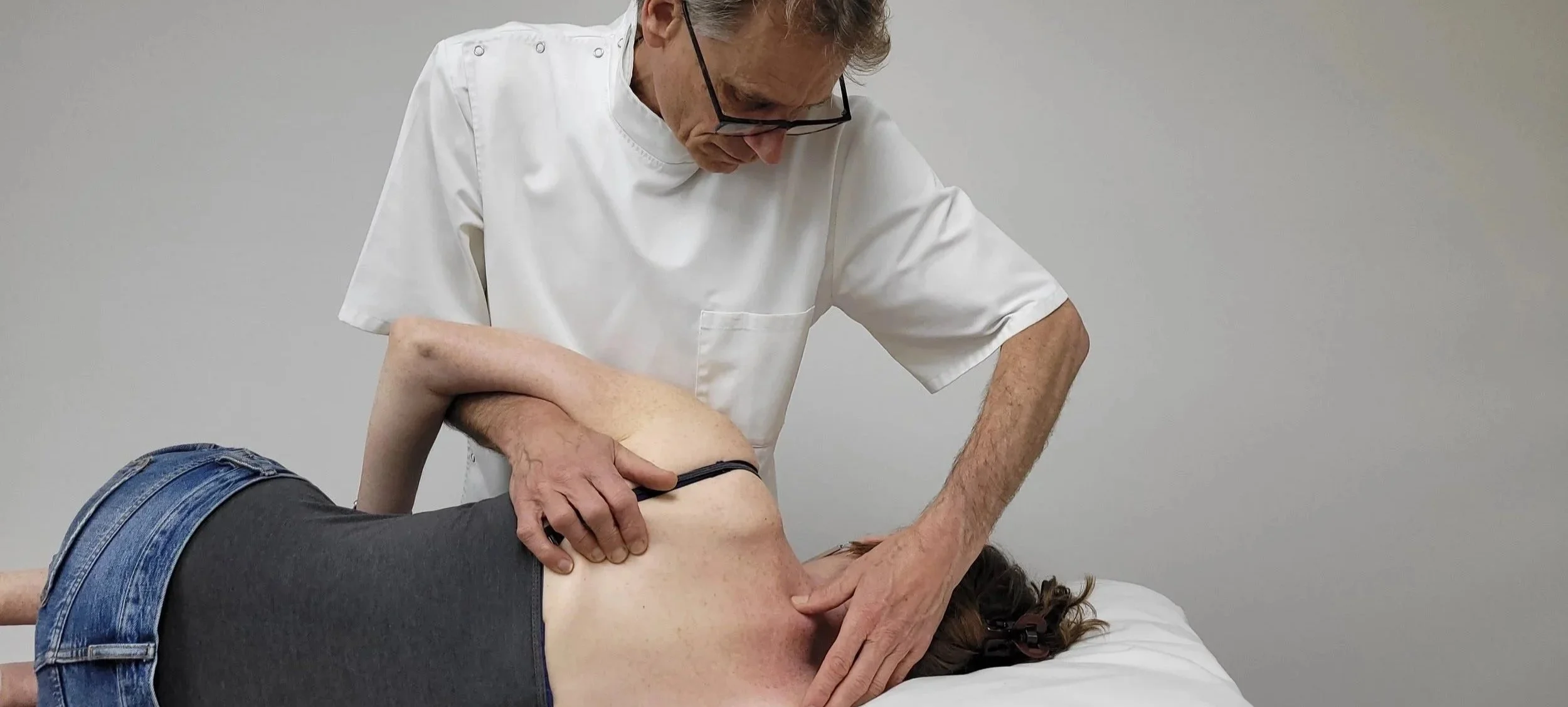
From there, we can agree on a management plan. This may include hands-on osteopathic treatment, advice about movement or activity, rehabilitation exercises, reducing aggravating factors, and practical strategies you can use yourself between appointments.
If the findings suggest that further investigation, GP review or specialist input would be more appropriate, that becomes part of the plan as well.
Movement, rehabilitation and everyday life
Rehabilitation does not need to mean a long list of exercises. There may be one or two specific routines that need to be done, but where practical, I like to look at what you already do and find ways to use or modify those activities to help your recovery.
If you go to the gym, we can work with that. If you walk, we can use walking. Sometimes the most useful change may be as simple as getting out of your chair more often during the day and going for a one-minute walk.
I look for the lowest-hanging fruit: a small number of changes that are realistic, useful and likely to be maintained.
I sometimes describe this as “making the world your gym.” Everyday activities can become part of rehabilitation rather than something separate from it.
Keeping treatment efficient
Treatment should be effective, but it also needs to fit the person. How often you come should reflect how you are progressing, how much support you need, and what is practical for you.
Some people benefit from closer follow-up, particularly early on. Others are comfortable leaving longer between appointments and working on agreed changes themselves.
We review progress as we go and adjust the plan accordingly. The aim is to give you the right amount of support while helping you become more confident and independent as things improve.
Understanding pain
Pain is real, but it is not a direct measure of tissue damage. Understanding this can be particularly useful when pain has lasted longer than expected, keeps returning, or has started to affect confidence in movement and activity.
I try to explain pain in simple, practical terms and put symptoms into perspective. Rather than using pain alone as the guide, we may place more emphasis on movement, function, and what happens during and after activity.
A better understanding of pain can reduce unnecessary fear, help people make more confident decisions about movement, and make self-management easier.
Experience that has developed over time
My approach has developed gradually over many years of practice. I originally trained in a traditional hands-on osteopathic model, but over time I became increasingly interested in what people could do for themselves between treatments.
That led me into exercise rehabilitation and core stability work, and later into ergonomics and the effect that sitting, work and everyday activities can have on musculoskeletal problems. I also trained in Pilates-based rehabilitation and other movement approaches, which broadened the ways I could help people improve strength, movement and function.
More recently, developments in pain science have added another layer, particularly in helping people understand long-standing or recurring pain, reduce unnecessary fear, and make better decisions about movement and activity.
These are not separate treatment systems that I choose between. They have gradually become part of one approach: assess the problem carefully, use hands-on treatment where it is useful, reduce unnecessary aggravation, improve movement and function, and help the person become increasingly able to manage the problem themselves.