Blog
Practical Tips to Help Yourself
Simple things you can do to make everyday life more comfortable and enjoyable. Drawing on osteopathic experience, common sense and scientific research.
What is the Best Pillow for Neck Pain? An Osteopath's Perspective
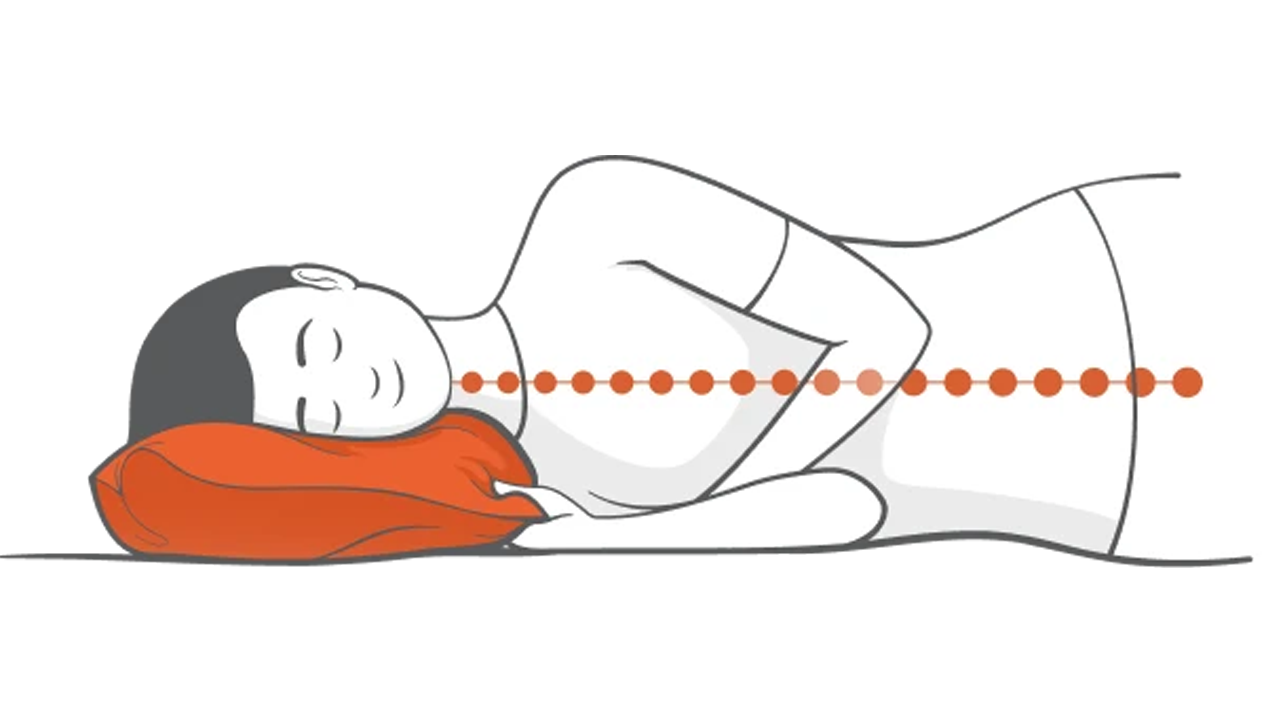
Ideally, a pillow should allow your head and neck to rest comfortably in a roughly neutral position, while still allowing you to move naturally and find slightly different positions throughout the night.
A good pillow does not need to be complicated. But it does need to suit the person using it.
What Should a Pillow Actually Do for Your Neck?
People often ask me what sort of pillow they should use.
There are hundreds of options out there: soft pillows, firm pillows, shaped pillows, memory foam pillows, high pillows, low pillows, expensive pillows, and occasionally pillows that look as though they were designed by someone who also designs spaceships.
But before worrying about the type of pillow, it is worth asking a much simpler question:
What is a pillow actually meant to do?
The answer is fairly simple.
Ideally, a pillow should allow your head and neck to rest comfortably in a roughly neutral position, while still allowing you to move naturally and find slightly different positions throughout the night.
That does not mean your neck has to be held perfectly still, perfectly straight, or locked into one “correct” position. Small variations in position are perfectly normal and should feel comfortable rather than strained.
The problem is that we do not need the same pillow height in every sleeping position.
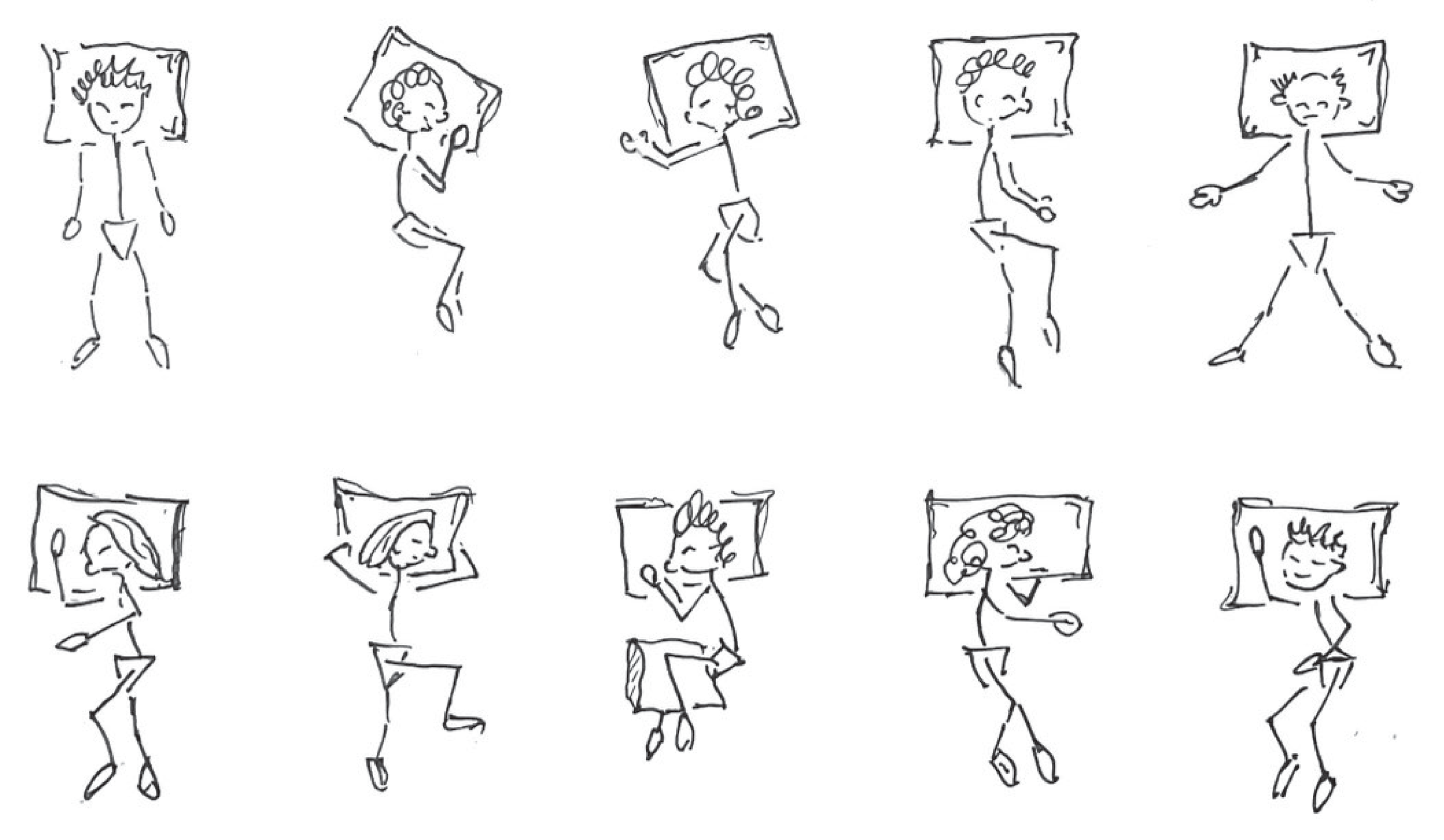
If you lie on your back, the gap between the back of your head and the mattress is usually quite small. For many people, it is only a few fingers’ width.
But if you roll onto your side, the situation changes completely. Now the pillow has to fill the space between the side of your head and neck and the mattress. That space is usually much larger because your shoulder creates a greater distance between your head and the mattress. The firmness of your mattress also makes a difference, as your shoulder may sink further into a softer mattress.
So the same person may need a relatively low pillow when lying on their back, and a much higher pillow when lying on their side.
That is before we even think about the fact that people are different shapes and sizes.
Someone with broad shoulders will generally need more pillow height when side sleeping than someone with narrow shoulders. A smaller person may need less. Even two people of the same height can have quite different shoulder widths, neck shapes and sleeping habits.
So there is no single “correct” pillow height that works for everyone.
There is also no single correct pillow height that works for the same person all night.
Most of us move around in bed. We may start on our side, roll partly onto our back, tuck one shoulder forward, shift slightly towards the front, or end up somewhere between side sleeping and back sleeping. We do not usually sleep like a diagram in a textbook.
This is where pillow choice becomes more interesting.
A pillow is not just about softness or firmness. It is about whether it can support you in the positions you actually use.
For back sleeping, it needs to avoid pushing your head too far forward.
For side sleeping, it needs to stop your head dropping down towards the mattress.
For the in-between positions, which are very common, it needs to be forgiving enough to let you find a comfortable middle ground.
This is why I am cautious about choosing a pillow purely because it looks clever. A shaped pillow might make good sense in theory. It may have a lower section for back sleeping and a higher section for side sleeping. But the real question is whether those shapes and heights actually suit you.
Are the high parts the right height for your shoulder width?
Will you stay in exactly the right place on the pillow?
Do you always sleep in the same position?
For some people, the answer may be yes. For many people, probably not.
So, when thinking about pillows, I would start with the basic job description:
Does this pillow let my head and neck rest comfortably in the positions I actually sleep in?
That is the main question.
Not whether it looks technical.
Not whether it has an impressive name.
Not whether it is the latest material.
Just whether it supports your head and neck sensibly when you are on your back, on your side, or somewhere in between.
A good pillow does not need to be complicated. But it does need to suit the person using it.
Does sitting well really matter?
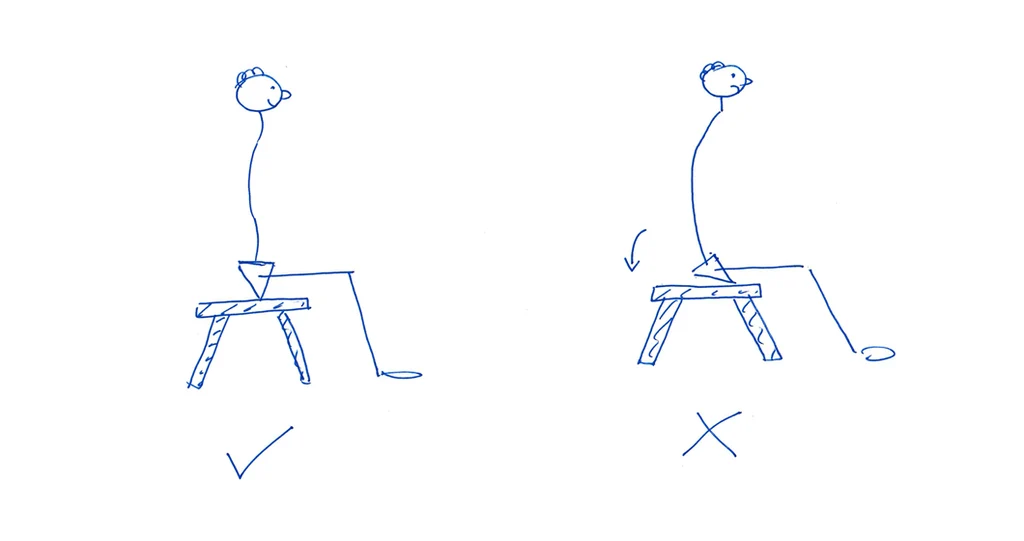
We know that once back pain has developed, then poor sitting posture makes the symptoms worse. So, if we abide by the premise that whatever makes the symptoms worse when you have the pain, is a predisposing factor to getting pain in the first place, then “yes”, the way that we sit does matter.
There are some people who seem to be able to disobey all ergonomic rules and get away with no pain for the whole of their lives. However, bearing in mind the prevalence of back pain, the rest of us may not be so lucky.
We know that once back pain has developed, then poor sitting posture makes the symptoms worse. So, if we abide by the premise that whatever makes the symptoms worse when you have the pain, is a predisposing factor to getting pain in the first place, then “yes”, the way that we sit does matter.
Spinal joints are weight bearing joints, but these are a little hard to visualize, so I will take the ankle, another weight bearing joint, to explain why it matters.
When we stand on our feet, we naturally put our weight through the ankle in the way in which it was designed. If I asked you to stand on the outside of your feet, with your ankles rolled in, then it would not take too long before you would complain that this was uncomfortable. If you did this all day and you ended up with swollen ankles, it would not be a surprise.
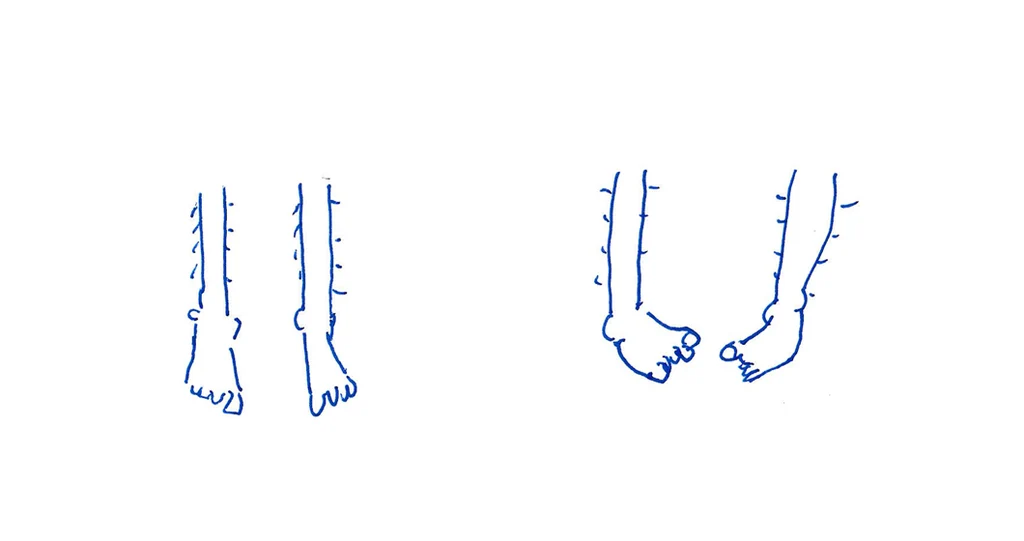
When we stand upright, our spinal joints are naturally aligned in their best position to take our weight, but when we sit slumped it is a bit like standing on our rolled in ankles.
There are a couple of reasons that we sit badly for many years before getting into trouble. (Skip this bit if you don’t want the nerdy explanation).
The spinal joints are ridiculously strong. Have you ever made oxtail soup and tried to pull the bones apart, it’s really difficult. Oxtail bones are very similar in size to human spinal bones.
The leverage is less in the slumped spine compared to the rolled in ankle. The ankle might roll up to 90° while the average lumbar spinal joint flexes 7°.
Studies measuring the internal pressure of our spinal discs show that when you sit slumped the pressure in the back of the disc increases to well over 100%, compared to the pressure when standing (1,2).
Almost all disc damage occurs in the back portion of the disc. This is the part of the disc that gets most force when we bend over forwards ‘badly’ i.e. when not bending our knees. This is why people with disc herniations hate both bending and sitting for long periods.
I sometimes call sitting ‘the silent evil’, as we cannot feel that it is doing anything bad. But it will be adding to the accumulation of adverse loads that can eventually result in low back pain.
I try and encourage people to cut down on unnecessary sitting. Do you really have to sit when you watch a screen, can you lie on the couch?
References.
Wilke et al. Spine 1999
Nachemson; Elfström. Sweden. 1970
Start your journey
Improve your posture, get a professional assessment and tailored recovery guide from Martin.